

The Fire have spent much of their existence looking for a new home. Now they’re ahead of other Chicago teams in the stadium game.
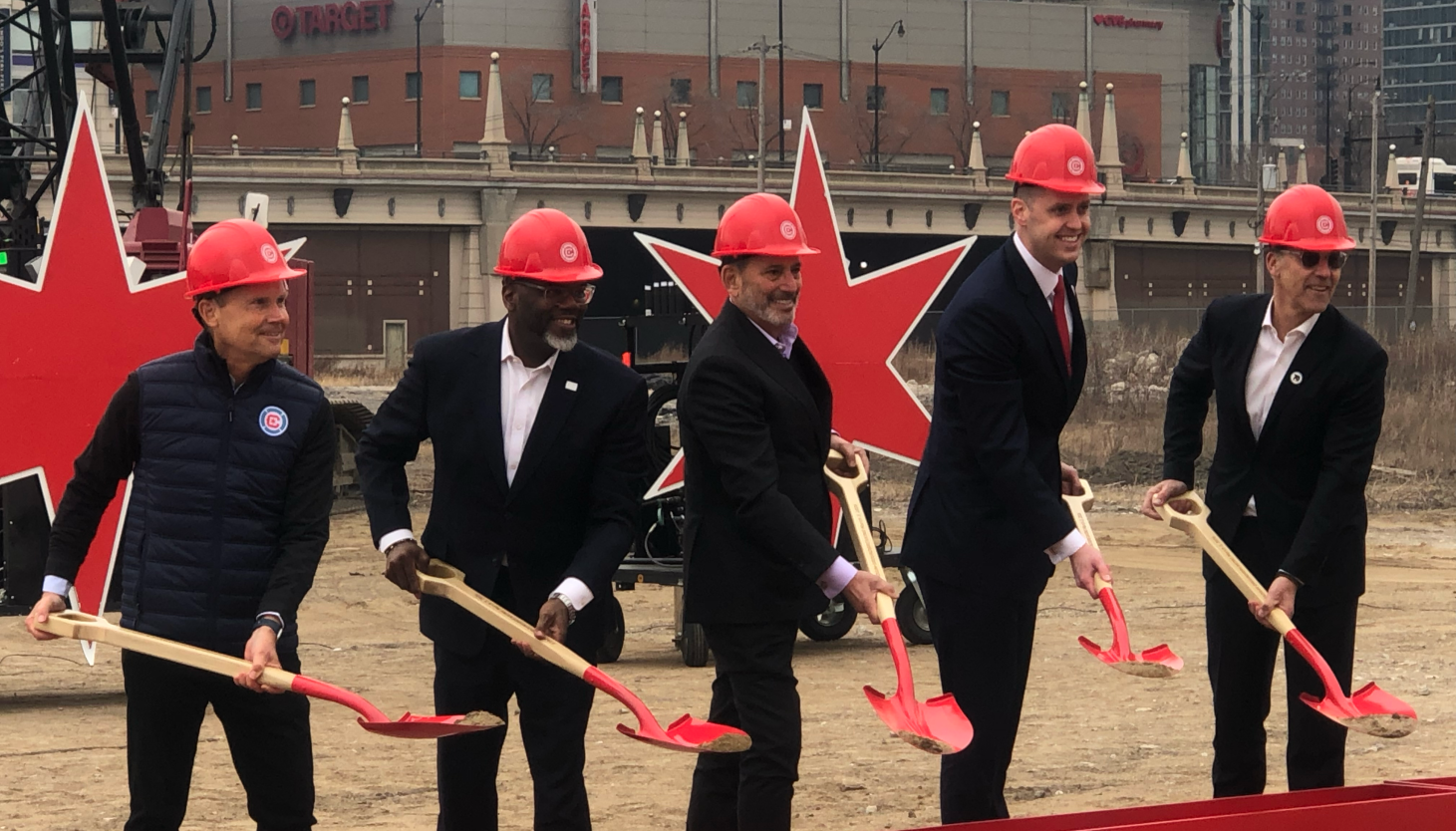
On Tuesday, the Fire broke ground on their next arena in The 78. Expected to open in late summer 2028, the $750 million privately funded facility is the first new stadium constructed specifically for a major-league professional team in the city since the United Center opened in 1994, not counting the Soldier Field renovation that was completed in 2003.
“This isn’t just a stadium, it’s a statement of ambition,” Fire owner and chairman Joe Mansueto said during his speech. “It’s about pride. It’s about believing in the city of Chicago.”
Stadium intrigue has been one of the biggest stories around Chicago sports over the past few years.
Dissatisfied with Rate Field, the White Sox released renderings for a new stadium at The 78. Owner Jerry Reinsdorf even met with Nashville mayor Freddie O’Connell during the 2023 Winter Meetings.
The Bears, currently the Fire’s roommate at Soldier Field, are in the midst of a quixotic quest for a new home that could end up in Arlington Heights or Northwest Indiana. Mayor Brandon Johnson kept Chicago itself in the picture, reiterating Tuesday that the Bears belong within city limits.
Meanwhile, the Fire are two years away from their own field on a desired plot of land. And nothing in the Fire’s history would indicate they’d be in this spot compared to some of their Chicago peers.
In 2006, the Fire thought they had found their long-term home when they moved to suburban Bridgeview. The soccer-specific venue offered intimate sightlines and gave the Fire the first choice of dates for matches.
Though the facility remained a capable host to soccer, by the end of the 2010s it was clear the Fire were looking to exit. The arena had fallen behind newer grounds, and the team’s on-field decline paired with Bridgeview’s location meant attendance plummeted.
In late 2019, Mansueto announced he was moving the Fire back to Soldier Field. Observers predicted it was a temporary solution and not a permanent answer because of inevitable issues with field conditions, choice of dates and creating a soccer atmosphere.
Those problems should be a thing of the past now for the Fire, and the new building could potentially spark a market that’s been underserved by its team. Despite the city’s strong soccer history, whether it’s the old North American Soccer League’s Sting or a flourishing youth and amateur scene, the Fire haven’t been one of MLS’ flagship clubs for over 15 years.
MLS commissioner Don Garber said, around six weeks ago, he drove around the city with Mansueto and visited the team’s new training center. The visit showed Garber again that Chicago is a soccer town.
“The Chicago Fire have had a small but rabid fan base, particularly among their supporters, and they’ve been missing something,” Garber said. “[Mansueto] mentioned it when he talked about his vision. He believes in the city, he believes in this team, believes in the sport, and believes that if he can deliver a best-in-class, world-class soccer stadium, it’ll connect all the dots and give this city what it is that I think they want.
“They want to be a leading city. They’re tired of hearing about other cities that have proven that they can really move the needle in the United States. This city and its fans want to move the needle and I am highly confident that they’ll be able to do that.”
The Fire are in the lead in another category: building a new stadium in the city.

